
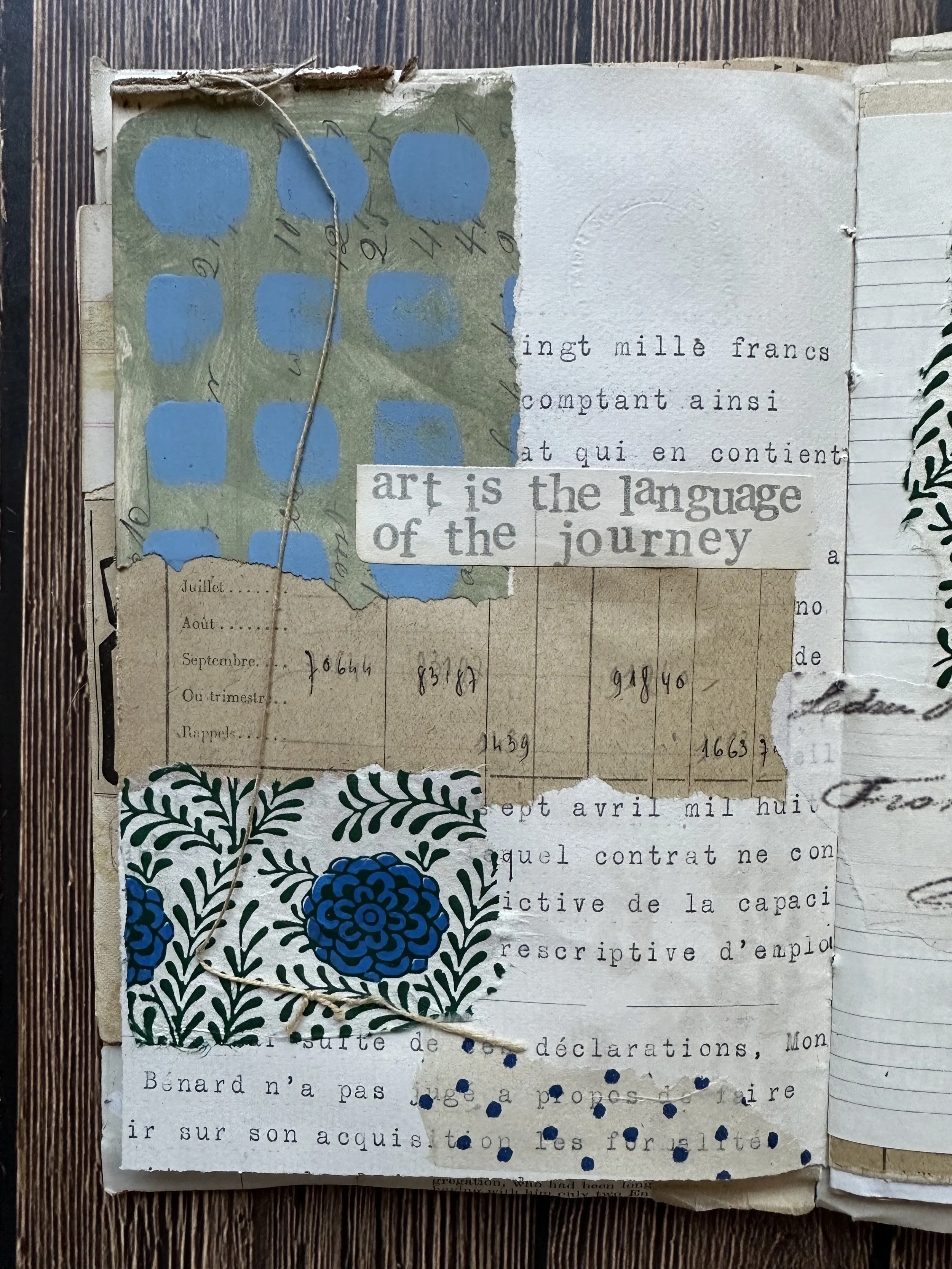
Art Is the Language of the Journey. Everyday Noticing Is the Practice.
There was a time when I thought art began in the studio.
At the painting table.
With fresh paper, clean brushes, and an idea waiting to become something beautiful.
I don't believe that anymore.
I think art begins much earlier than that.
It begins the moment we notice.
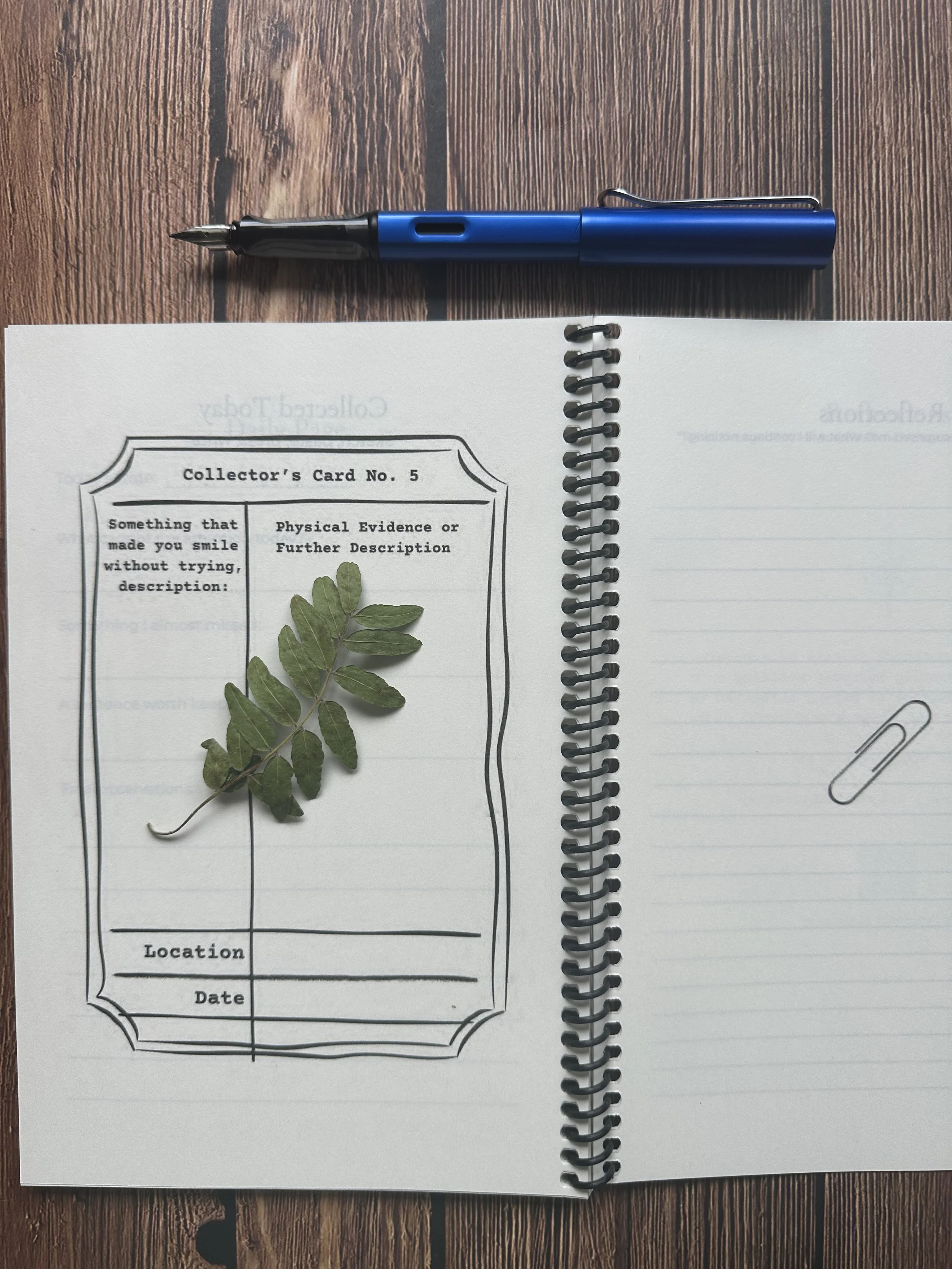
The Beautiful Practice of Keeping Evidence
This morning, I noticed the light.
Nothing spectacular was happening. It was simply morning light falling across our living room floor in that particular way it sometimes does—the kind that makes you stop for half a second and think, Oh.
And that could have been the end of it.
Most of our days are filled with moments like this.
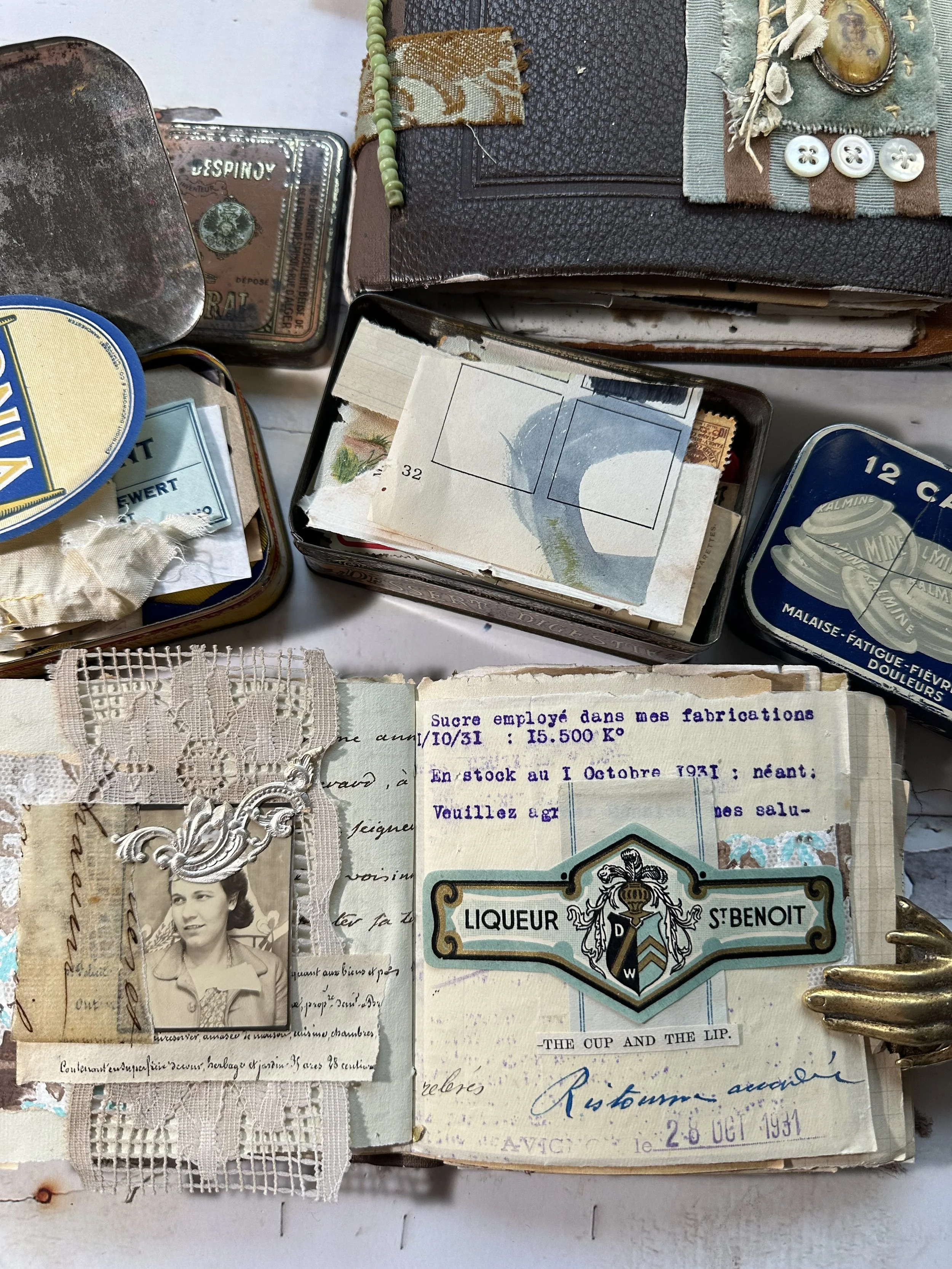
You Don't Need an Interesting Life to Live an Interesting Life
Every now and then someone says to me,
"Your journals are so full. Mine would never look like that."
I understand what they mean.
They're imagining that I must be traveling somewhere beautiful, wandering antique markets every weekend, or living a life filled with endless inspiration.
The truth is much quieter.
Most of what fills my journals happens on ordinary Tuesdays.
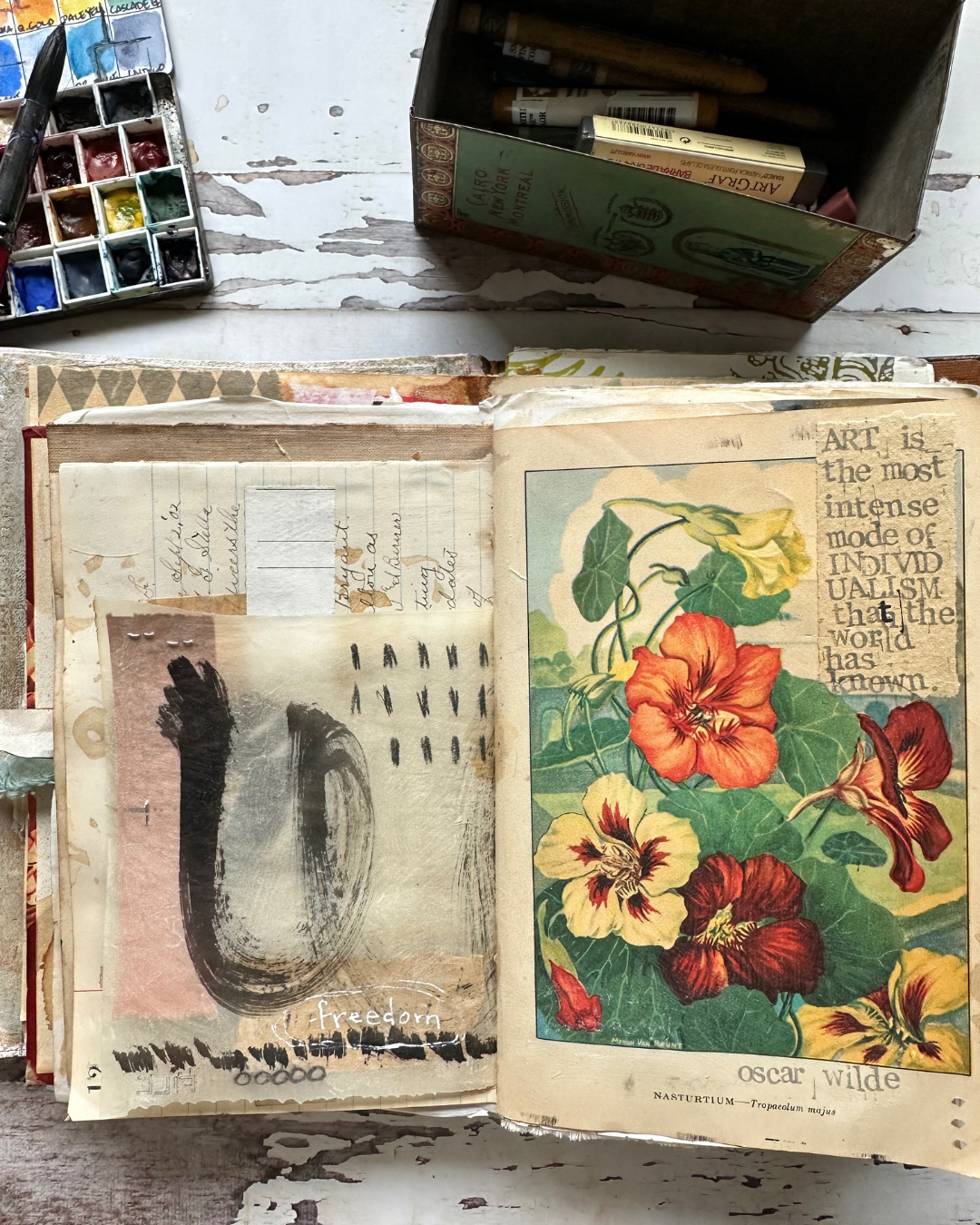
The Things Worth Keeping
Several days after I wrote about becoming the collector of your own life, I found myself paying even closer attention.
Not because I was trying harder.
Simply because I had asked myself a different question.
Not, What do I need to accomplish today?
But...
What might be worth keeping?
It changed the way I moved through the day.
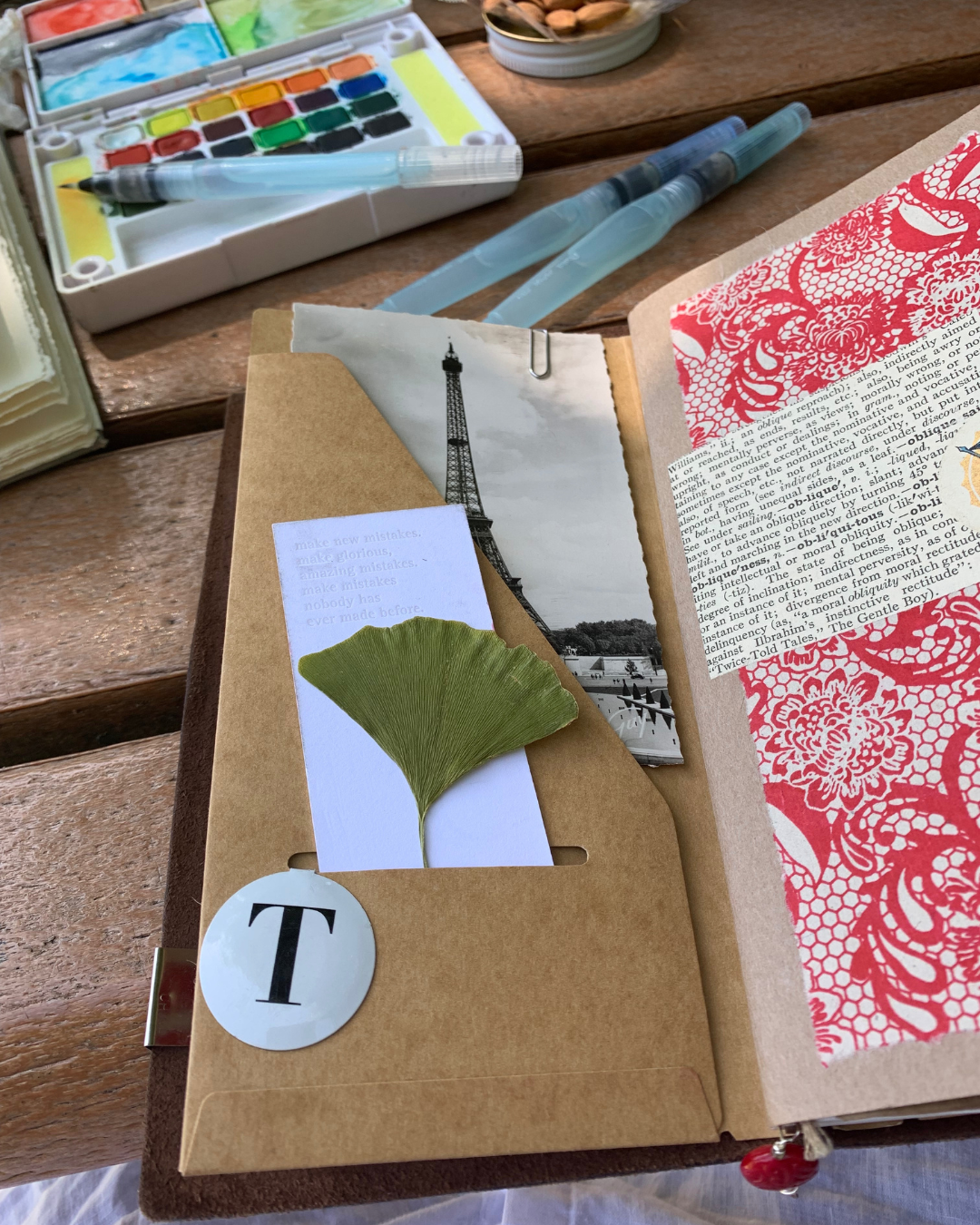
How to Become the Collector of Your Own Life
A few weeks ago, someone asked me what "everyday noticing" really means.
I could have talked about mindfulness or creativity. I could have described keeping journals or making art from found papers. But the answer that kept returning to me was much simpler than that.
It's about becoming the collector of your own life.
Not a collector of expensive things or extraordinary experiences, but of ordinary moments that might otherwise disappear.
Because our days are constantly offering us something worth keeping.
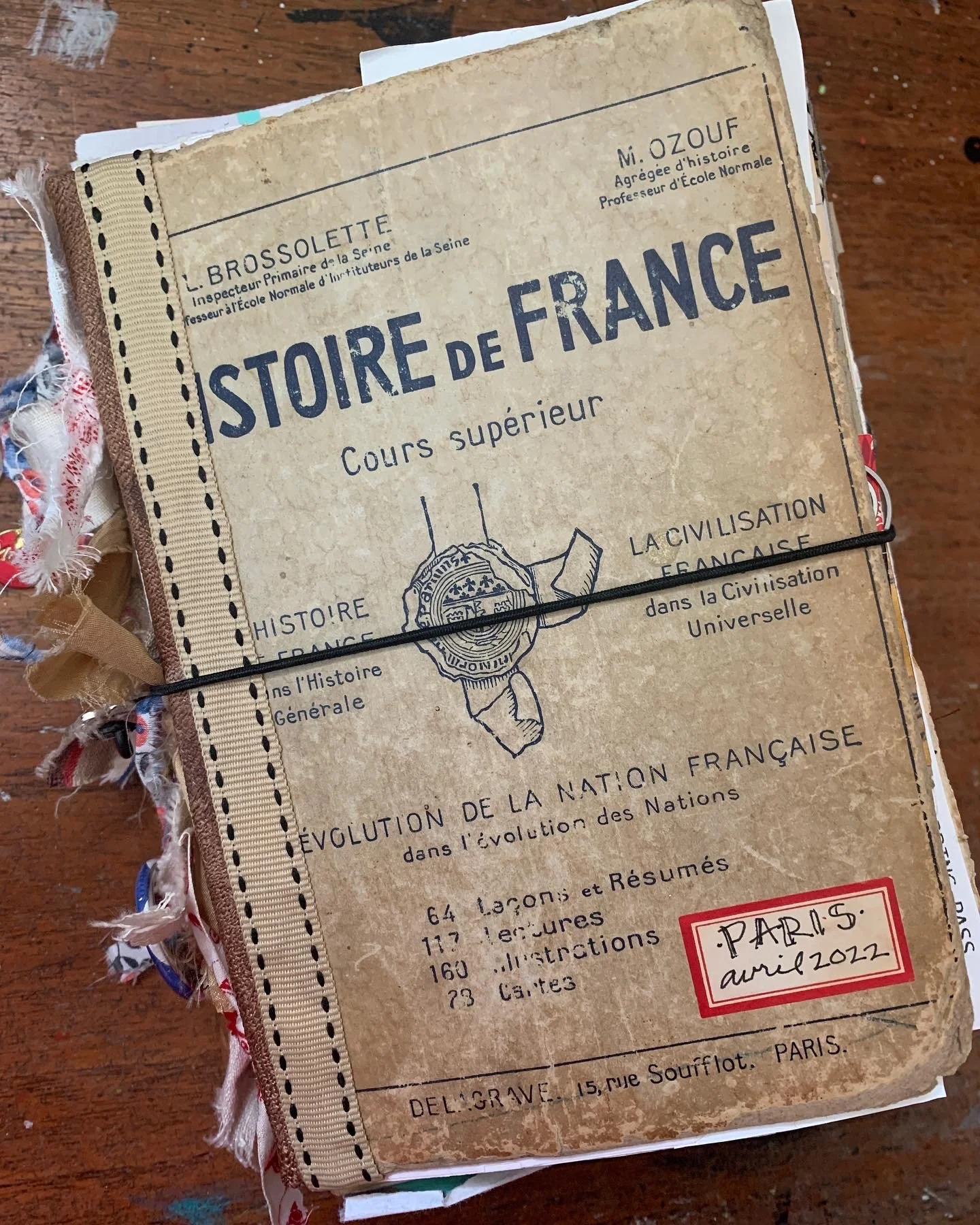
What Is a Commonplace Book?
Imagine opening a notebook that belonged to someone two hundred years ago.
Inside you find a pressed violet. A recipe copied from a neighbor. A favorite poem written carefully in ink. A sketch of a bird seen on an afternoon walk. A shopping list tucked beside a letter. A newspaper clipping. A watercolor swatch. A quotation that once stopped someone in their tracks.
It isn't quite a diary.
It isn't a scrapbook.
It isn't a sketchbook.
It's something delightfully difficult to define—and perhaps that's exactly why it has endured for centuries.
A commonplace book is simply a place to gather what you don't want to forget.
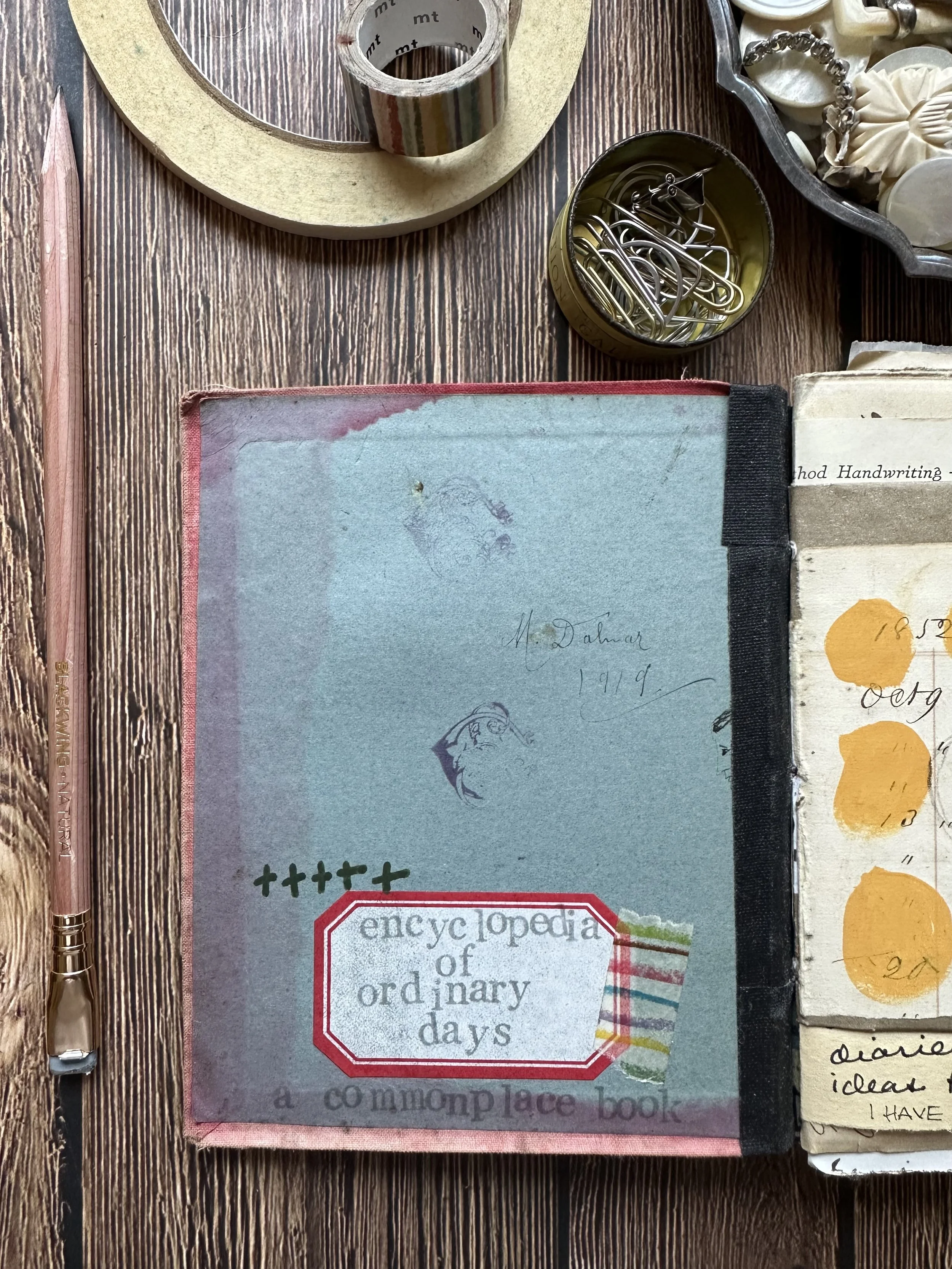
The Encyclopedia of Ordinary Days
If you've ever thought your life wasn't interesting enough to fill a journal, may I offer another possibility?
Maybe you've simply been measuring your days by the things that don't quite capture their fullness.
What if your life isn't waiting for extraordinary moments to become worth recording?
What if it already is?
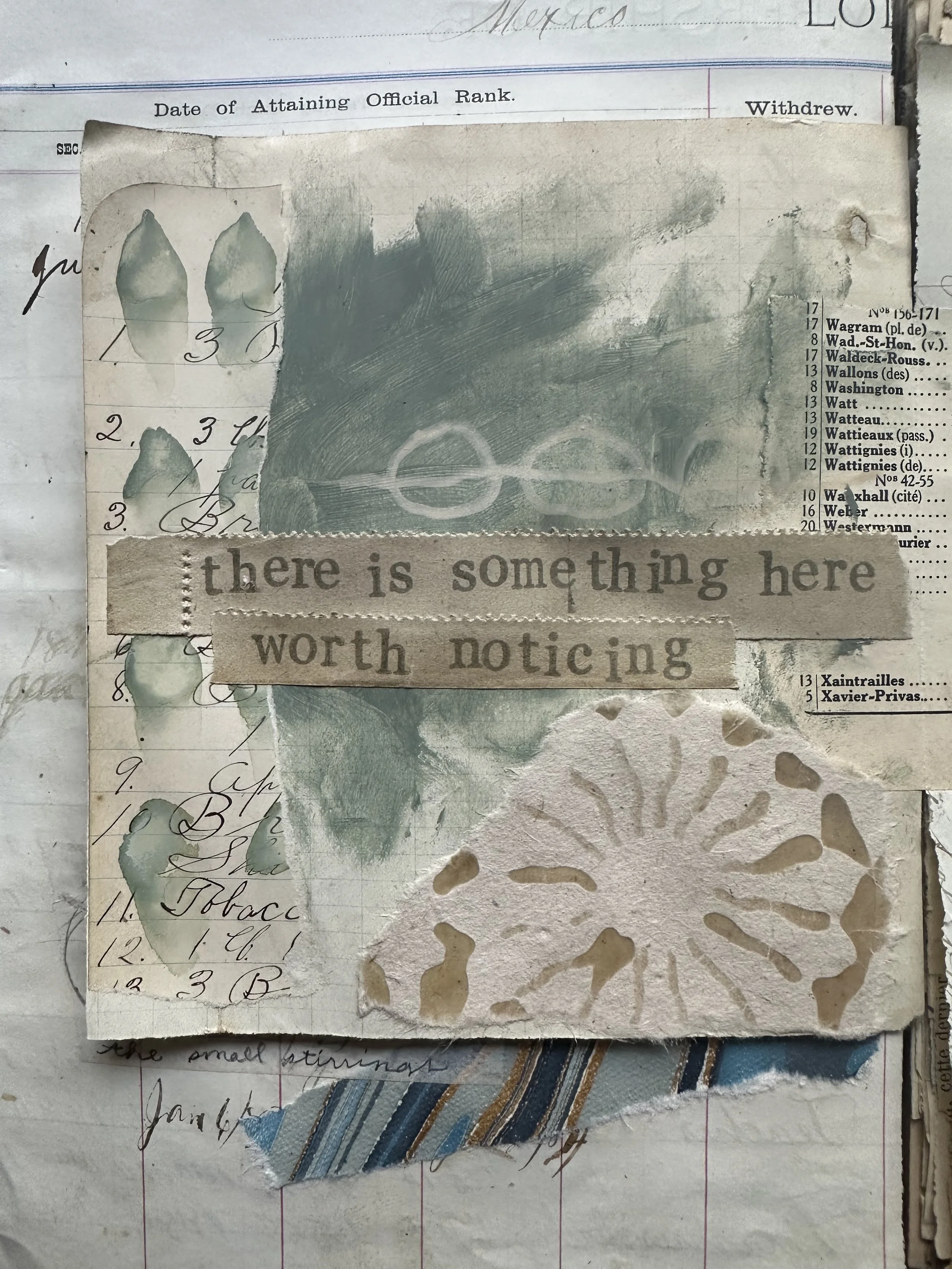
The Gift of Noticing
Art journaling isn't just about creating beautiful pages. It's about learning to pay attention. Discover how creativity can transform the way you experience ordinary life, beauty, memory, and wonder.
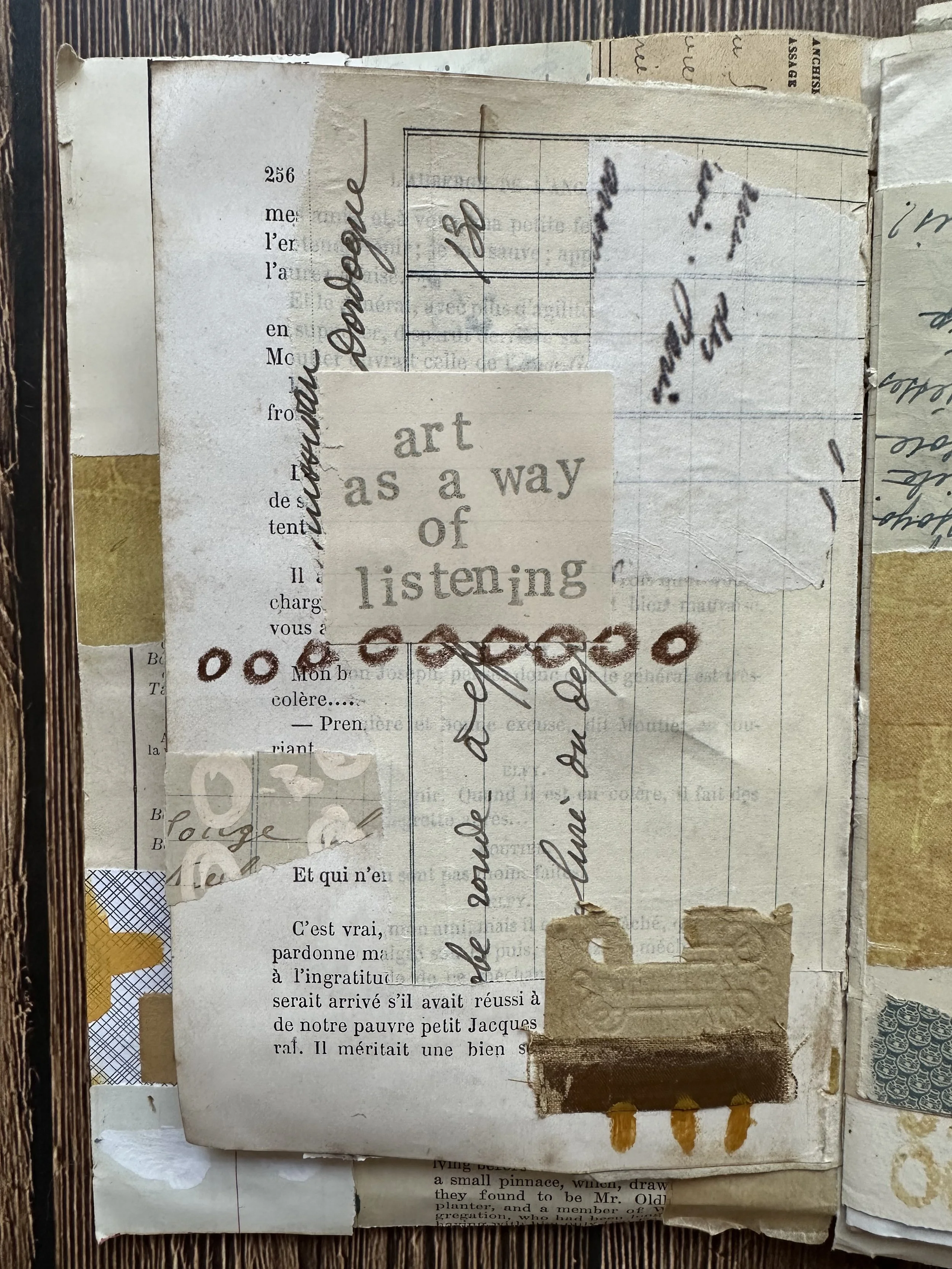
What Happens When You Stay
You don’t notice it right away—the shift.
It happens somewhere between one page and the next… between showing up and staying.
This is where art journaling deepens. Not into better pages, but into a different relationship with yourself—one built on presence, trust, and the quiet courage to remain.
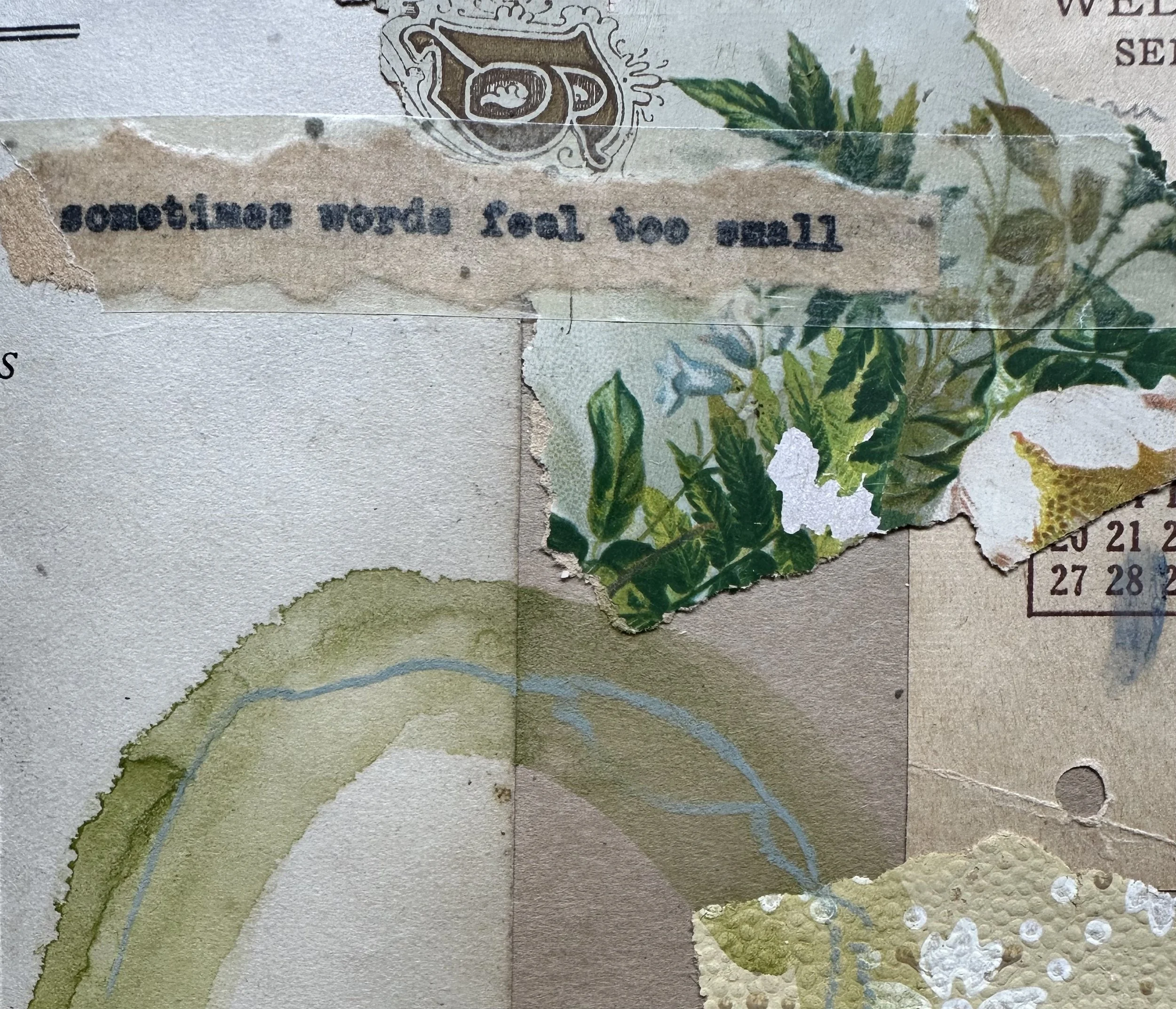
When Words Aren’t Enough
There are moments when language cannot hold what we feel. This is where creativity begins—through color, texture, and mark-making. Art journaling becomes a quiet, powerful way to listen, process, and gently discover what is unfolding within.
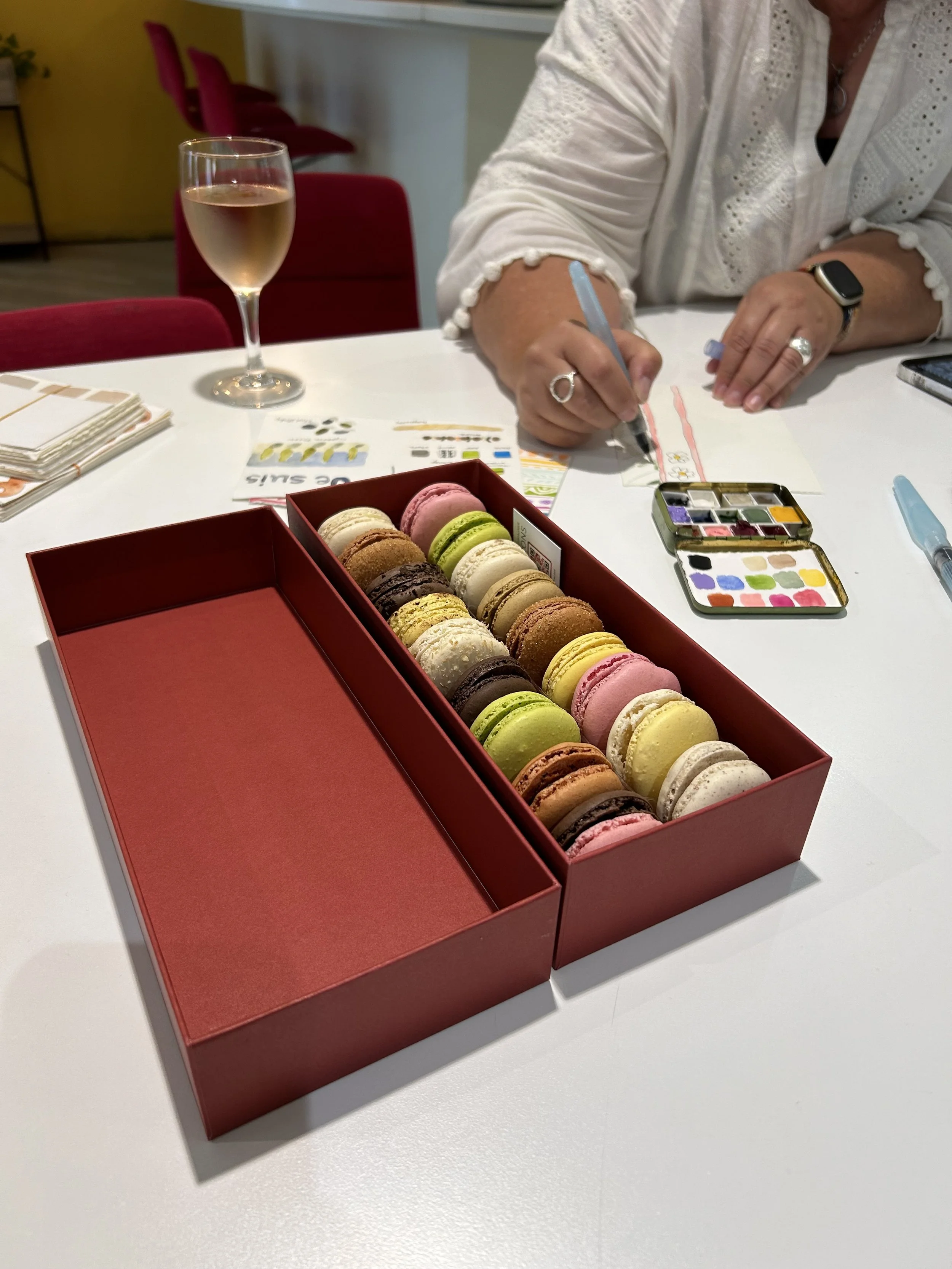
How to Reconnect with Your Creativity
There is a quiet kind of longing that many women carry—a sense that something creative has gone missing.
In this gentle reflection, we explore how to reconnect with your creativity without pressure, perfection, or needing a plan. Because creativity doesn’t return all at once—it begins with small moments of noticing that slowly lead you back to yourself.
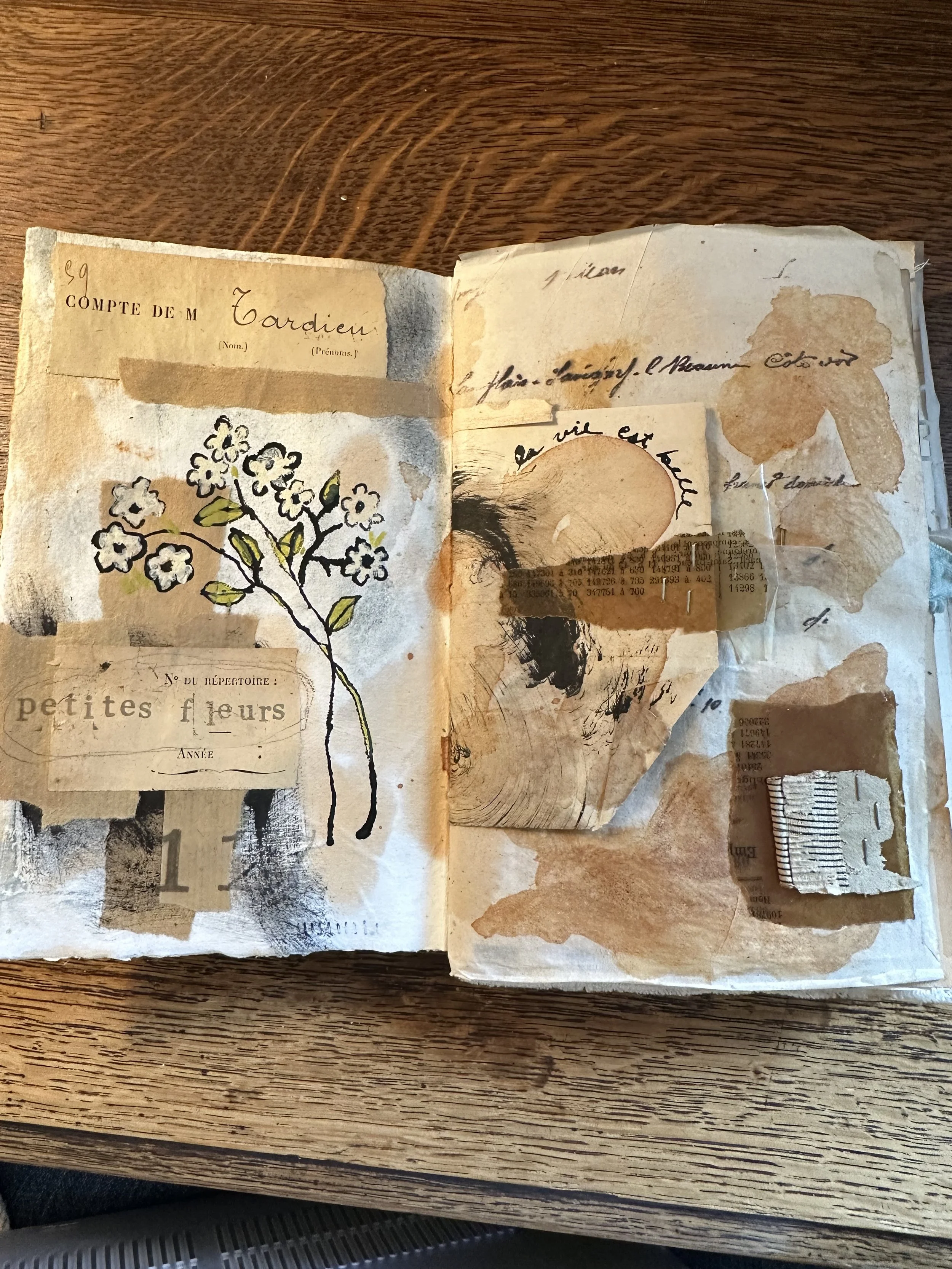
Why Art Is a Language for Seasons of Change
There are seasons in a woman’s life when words feel thin.
When something is shifting — but not yet nameable.
When clarity hasn’t arrived, but the old way no longer fits.
When you sense you are becoming… but cannot explain how.
In those seasons, advice rarely helps.
Productivity systems feel loud.
Even journaling can feel like trying to solve a mystery that isn’t ready to be solved.
And yet — something in you wants to move.
This is where art becomes a language.