The Beautiful Practice of Keeping Evidence
This morning, I noticed the light.
Nothing spectacular was happening. It was simply morning light falling across our living room floor in that particular way it sometimes does—the kind that makes you stop for half a second and think, Oh.
And that could have been the end of it.
Most of our days are filled with moments like this.
A song playing while we're making dinner.
A flower peeking over the neighbor's fence.
The funny thing someone says that we swear we'll remember.
A really good cup of coffee.
A scrap of vintage paper we can't quite bring ourselves to throw away.
The first cool morning after a long summer.
A sentence in a book that makes us put the book down for a minute.
We notice.
And then we move on.
I've been thinking lately about what happens when we don't.
What happens when, every once in a while, we decide to keep the evidence?
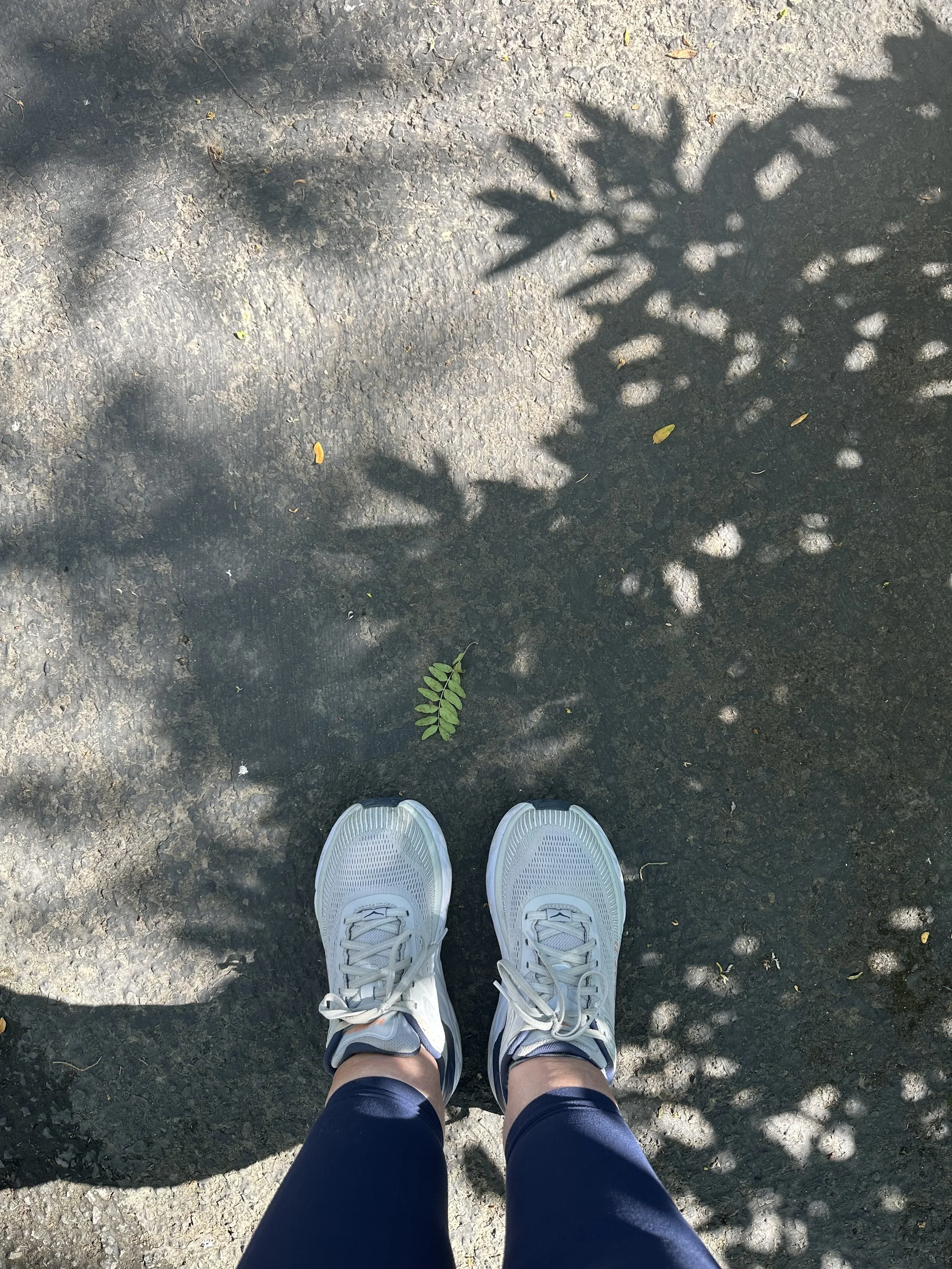
First, we notice.
This is where it all begins.
Noticing doesn't require an extraordinary life.
It doesn't require travel or adventure or particularly photogenic mornings. It doesn't even require us to slow down dramatically and become exquisitely mindful people who gaze lovingly at every cup of tea.
It just asks us to be here long enough to catch something.
Oh, look at that.
That's enough.
The world is constantly offering us tiny things worth seeing. The practice is simply becoming someone who sees them.
Then, we collect.
This is the part I have fallen completely in love with.
Because once you begin noticing your life, you begin discovering evidence everywhere.
A museum ticket stub.
A grocery list.
A feather.
A photograph.
A phrase scribbled on a cocktail napkin.
A paint swatch.
A leaf.
A particularly excellent fortune from a fortune cookie.
The wrapper from something delicious you ate somewhere you want to remember.
Sometimes the thing itself can come home with you.
Sometimes you take a photograph.
Sometimes all you can collect is a sentence:
The hydrangeas were almost absurdly blue today.
That's collecting, too.
We aren't collecting because these things are valuable.
We're collecting because we noticed them.
That changes everything.
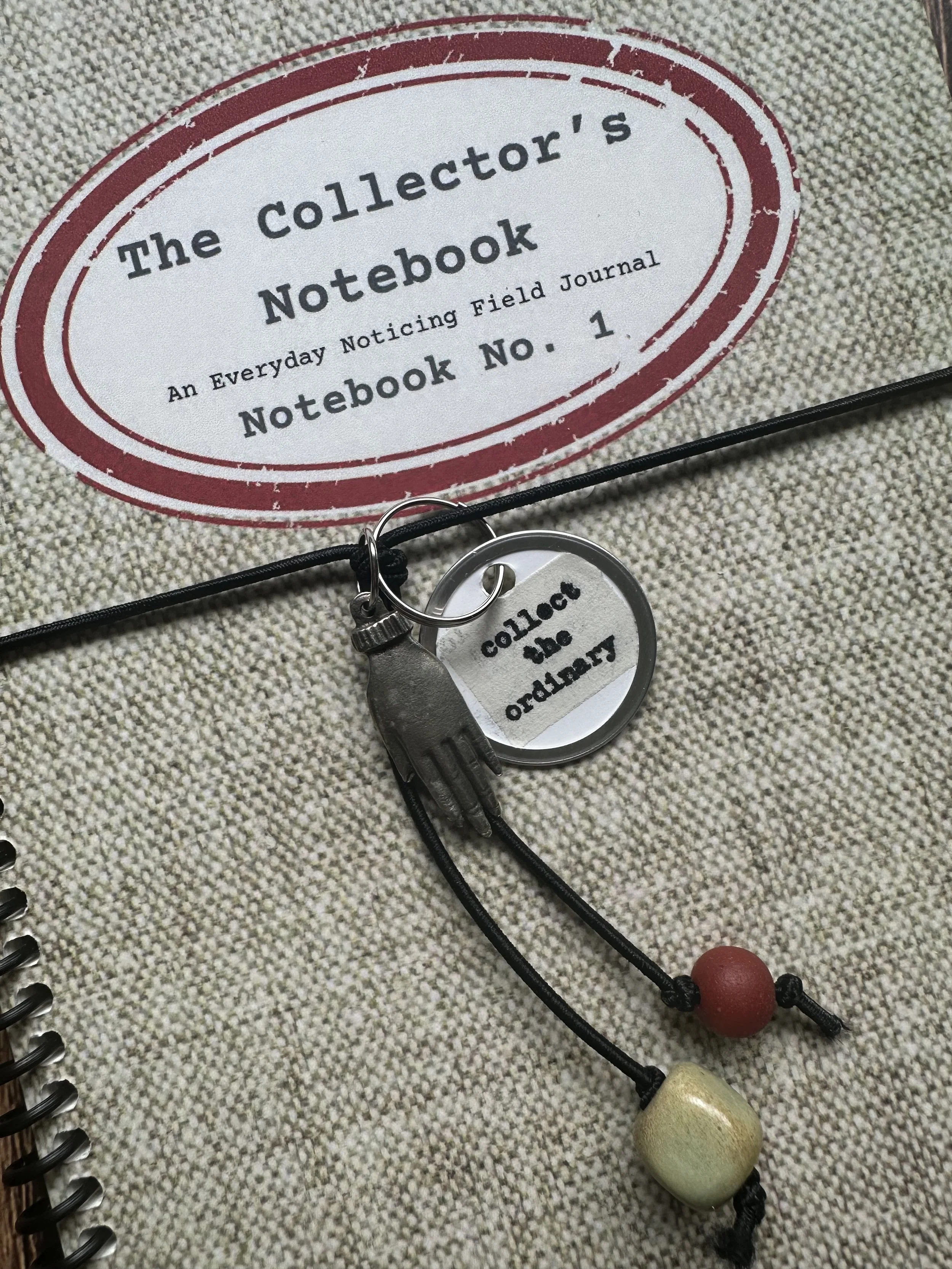
And then, we document.
This may be my favorite part.
Because documenting doesn't mean turning every collected thing into a beautiful art journal page.
It doesn't require a system.
It certainly doesn't require you to keep up.
Documenting can be as simple as taping that feather onto a page and writing:
August 16. Found this on my walk.
That's it.
You have made a record.
You have said:
This happened.
I was here.
This ordinary life was mine.
And suddenly the little thing that might have disappeared by tomorrow has somewhere to live.
Over time, these fragments begin accumulating into something extraordinary.
Not because any individual piece is particularly important.
But because together they become an archive.
Your archive.
An ordinary life leaves traces.
I've become fascinated by this idea.
We tend to think an archive is something created for an important person. Someone whose papers and letters and photographs will someday be carefully catalogued and tucked into acid-free boxes.
But every life leaves an archive.
The recipe written in someone's handwriting.
The note tucked into a book.
The pressed flower.
The postcard kept for thirty years.
The photograph with something scribbled on the back.
The grocery list you find in a coat pocket and can't bear to throw away because suddenly you can see an entire Tuesday afternoon inside it.
These aren't insignificant things.
They're the texture of a life.
And I think some of these things are treasures worth keeping.
We can become the archivists of our own ordinary days.
You don't need to save everything.
Thank goodness.
This isn't about turning your house into a museum or preserving every receipt that crosses your path.
It's about choosing.
This one.
This tiny thing delighted me.
This made me laugh.
This was beautiful.
This reminds me of someone I love.
This tells me something about who I was in this particular season of my life.
So I'm keeping it.
There is something wonderfully tender about that decision.
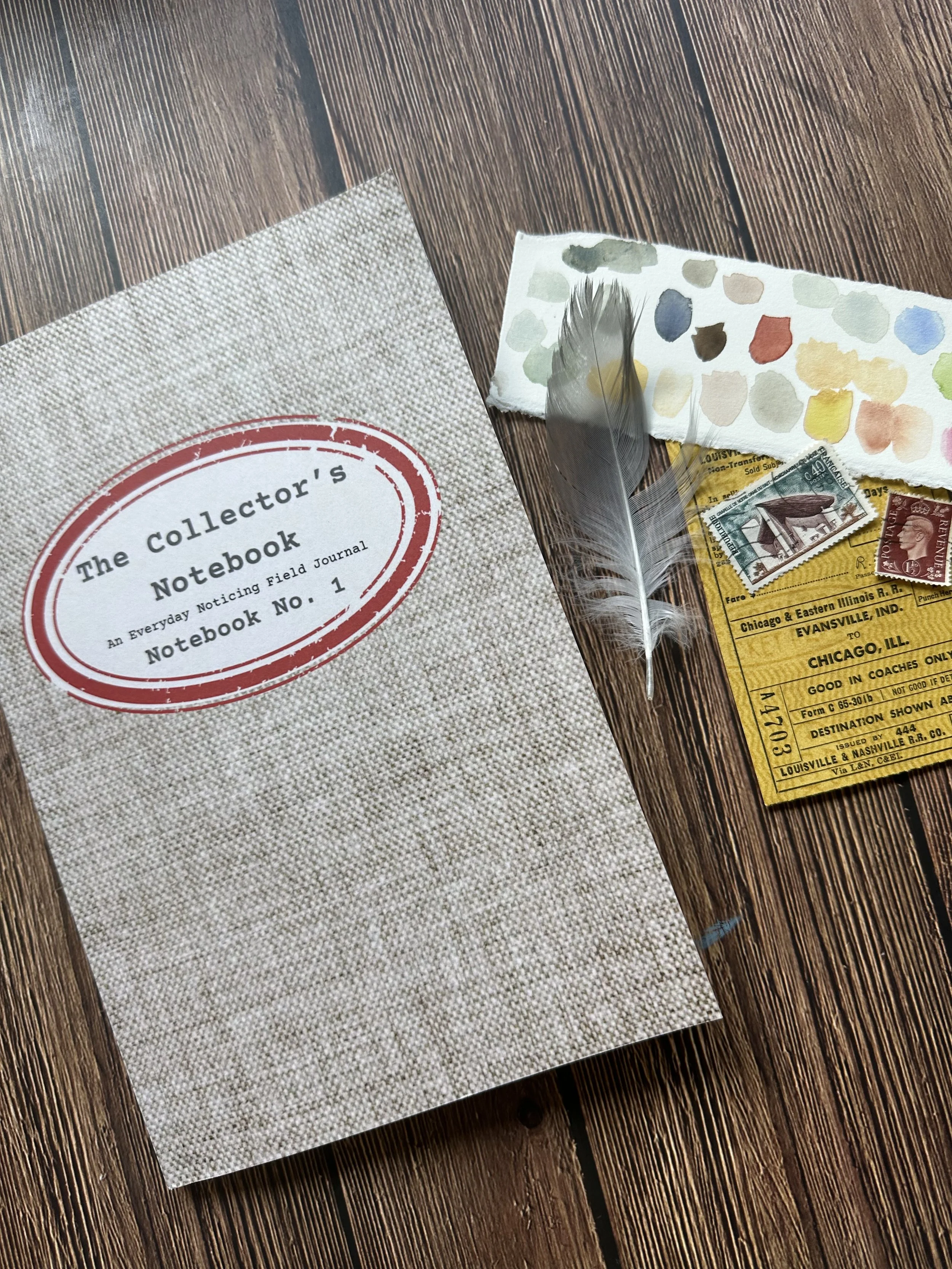
Give the evidence somewhere to live.
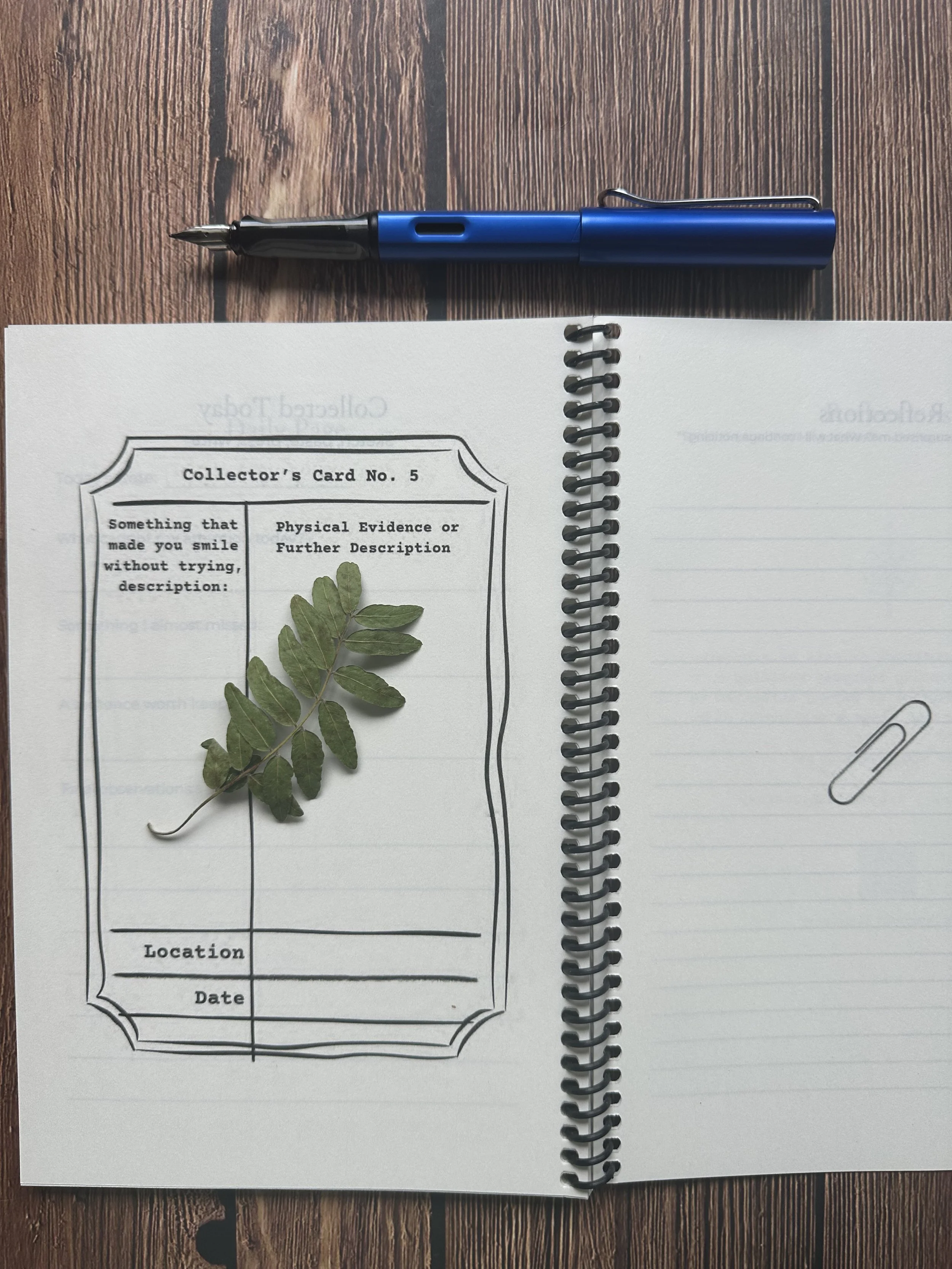
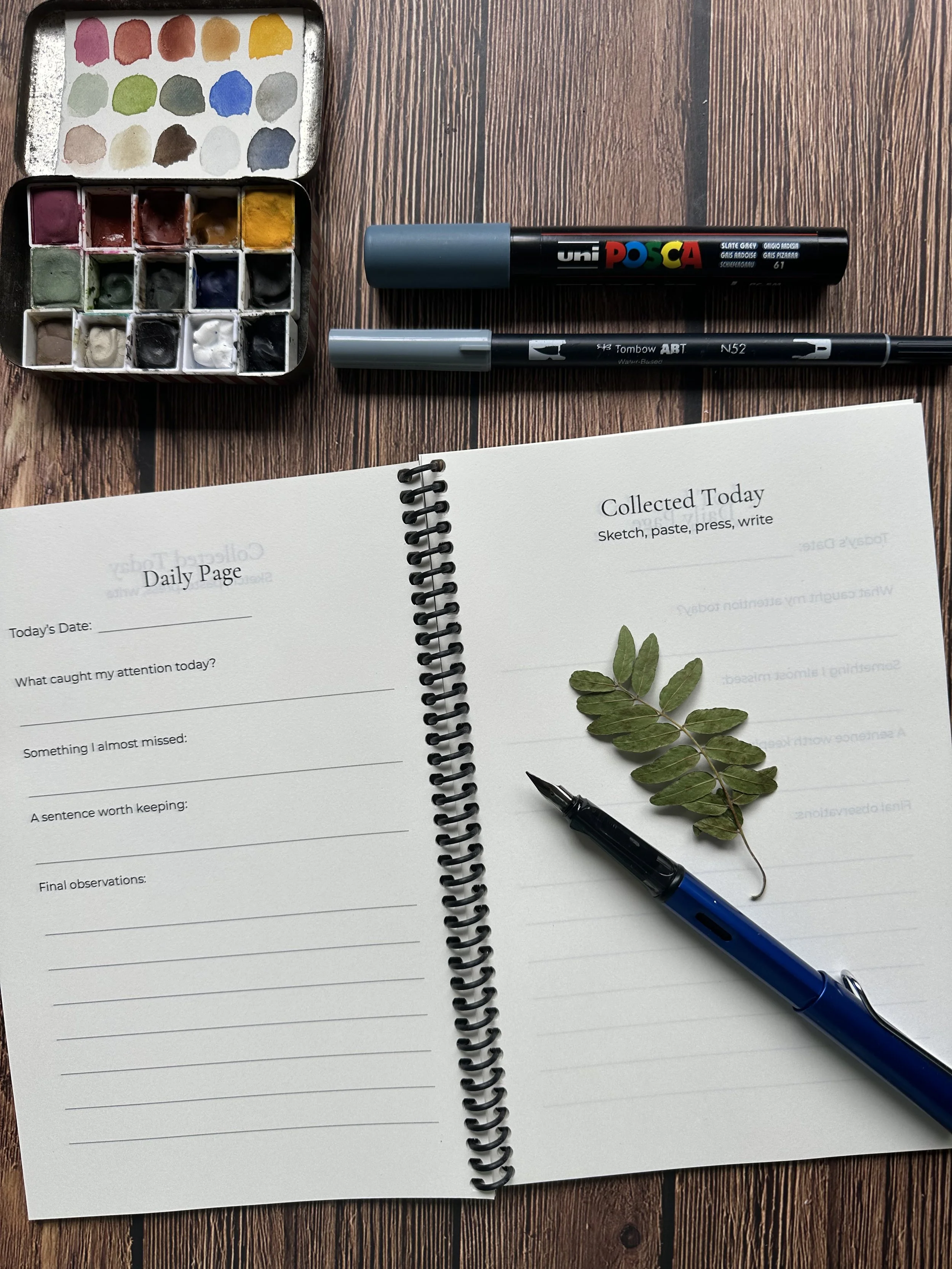
This is exactly why I made The Collector's Notebook.
I wanted a place for the fragments.
Not another journal I needed to dutifully write in every morning. Not a scrapbook that required finished pages. Not a practice I could fall behind on.
Just a place to collect the evidence.
A page for the sentence.
A place to tape the wrapper.
A corner for the photograph.
Somewhere to write down the thing I don't want to forget.
The Collector's Notebook was created for exactly this kind of ordinary keeping—a companion for noticing, gathering, documenting, and slowly building an archive of your own life.
There is no correct way to fill it.
There isn't even a requirement to fill it.
Just open it when something makes you think:
I want to keep this.
The Collector's Notebook is available now.
In the meantime, you don't need anything special to begin.
Notice something today.
Collect a little evidence.
Write down where you found it.
And give this ordinary day a tiny place in the record.
Someday, you may be very glad you did.