Pay Attention to What Keeps Returning
Lately, I’ve been putting things aside.
An acorn.
A scrap of paper with an interesting edge.
A postcard I brought home from France.
A phrase scribbled on the back of something because apparently the notebook sitting three inches away was too far to reach.
A tiny envelope.
A feather.
Nothing terribly important.
And yet, for some reason, not quite throw-away-able either.
This is not particularly unusual for me. I have always been a collector of ordinary things. My pockets have carried home stones and shells and seed pods. My suitcases return from trips considerably heavier with paper. I have drawers containing bits and pieces that would cause another person to ask, quite reasonably, Why are you keeping this?
I don't always know.
I just know when something feels worth keeping.
But lately I’ve been thinking about the things we collect in another way.
Not only the things we physically pick up and carry home, but the things we keep returning to.
The subjects we circle.
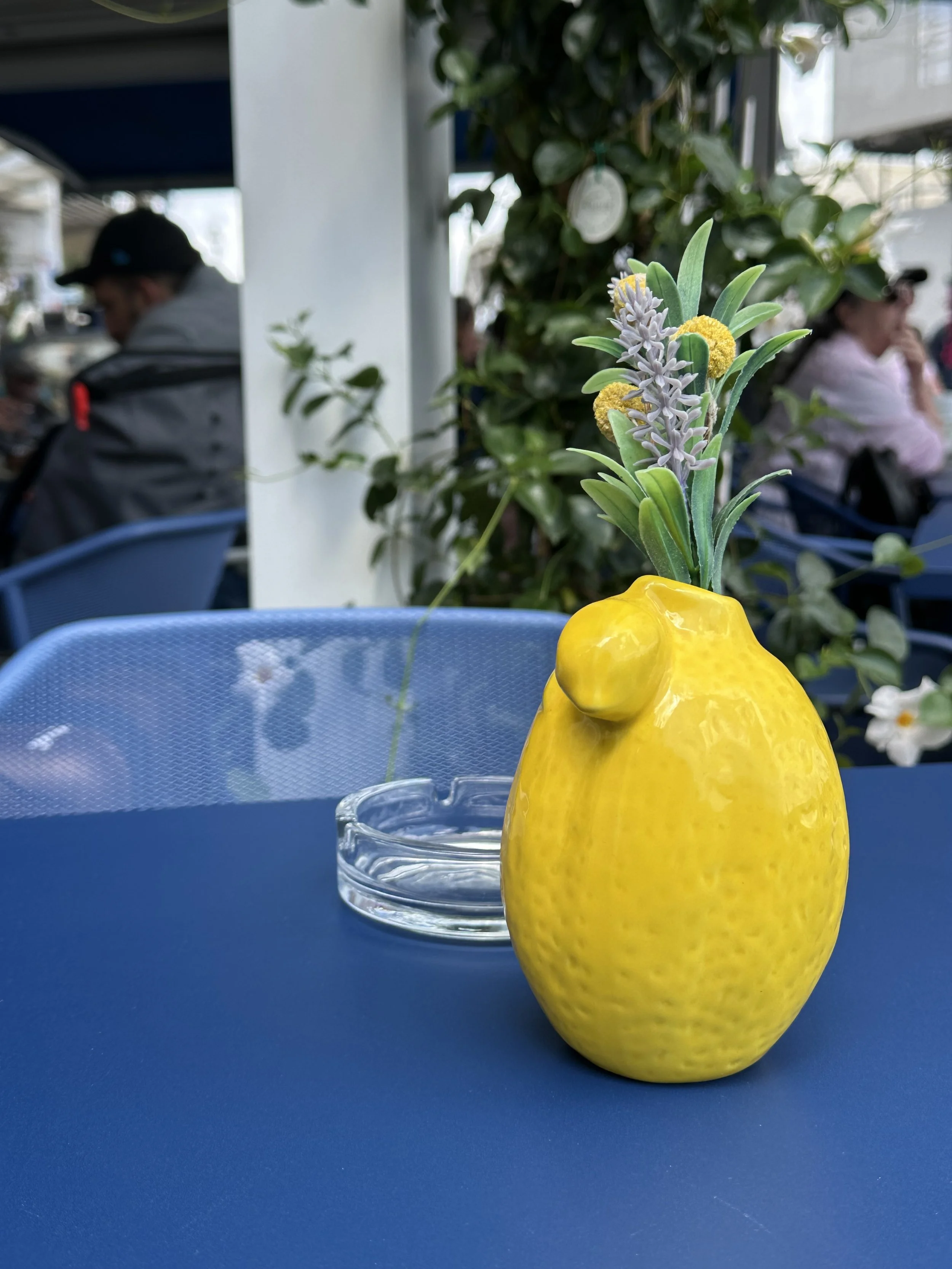
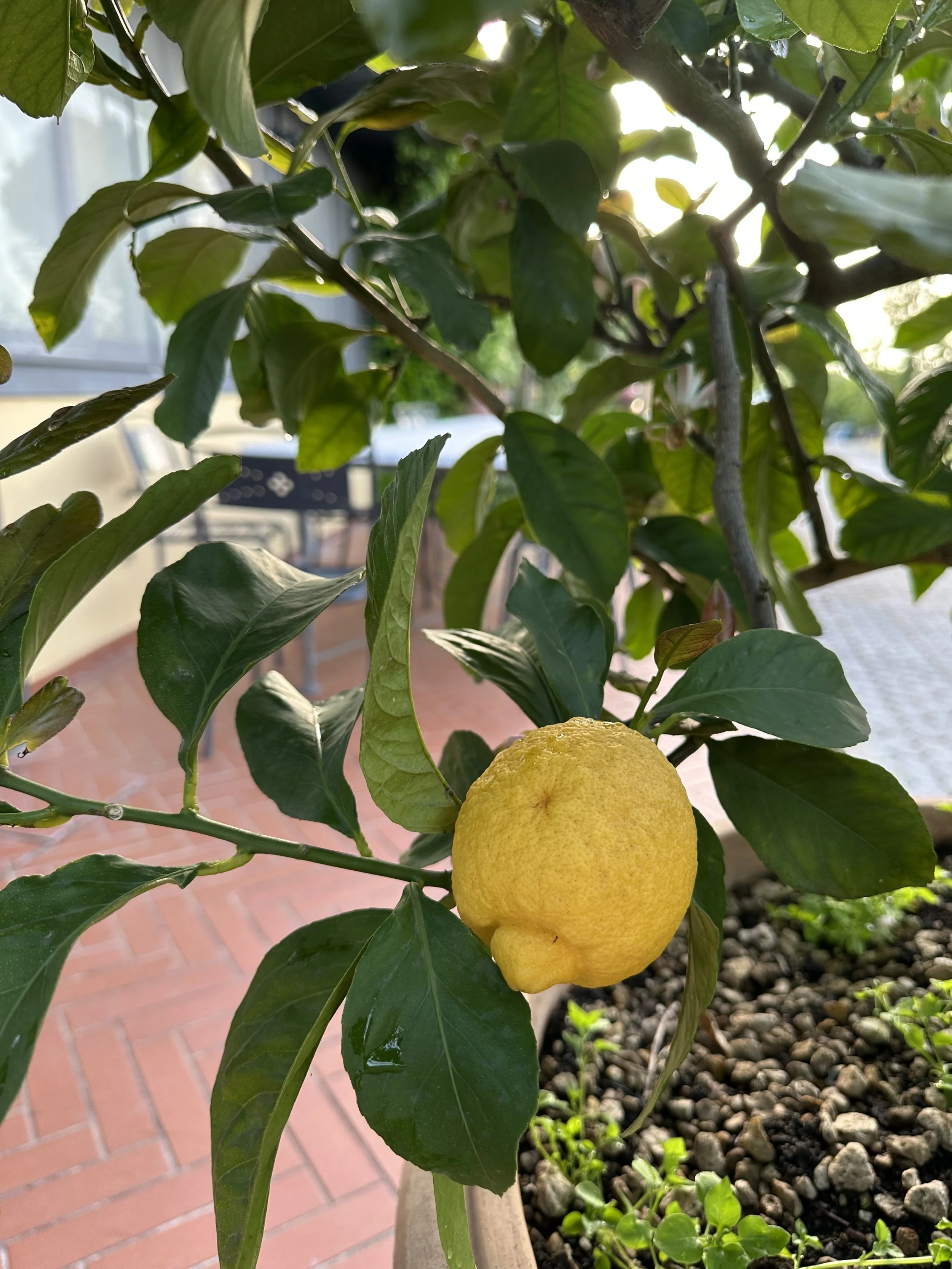
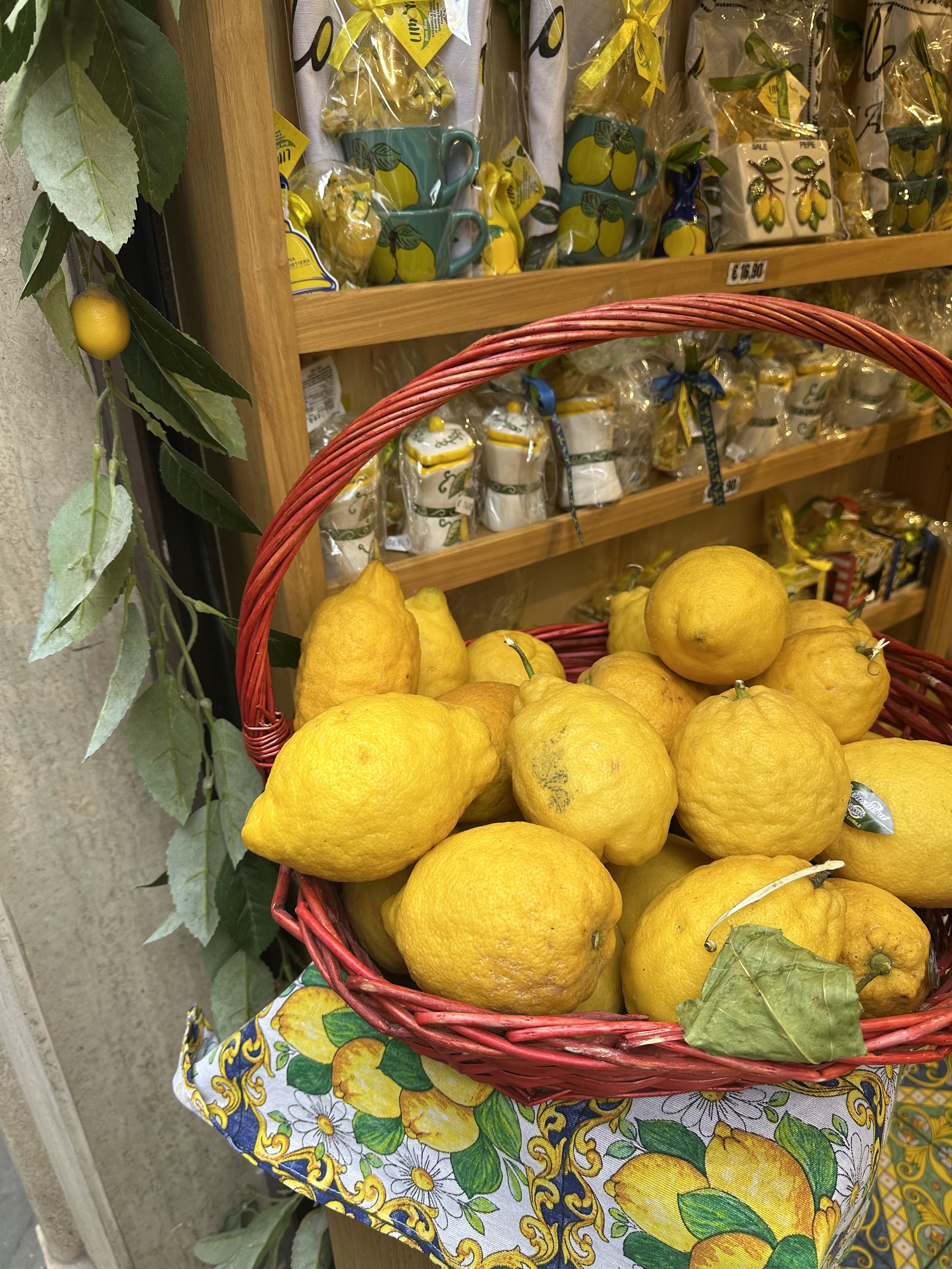
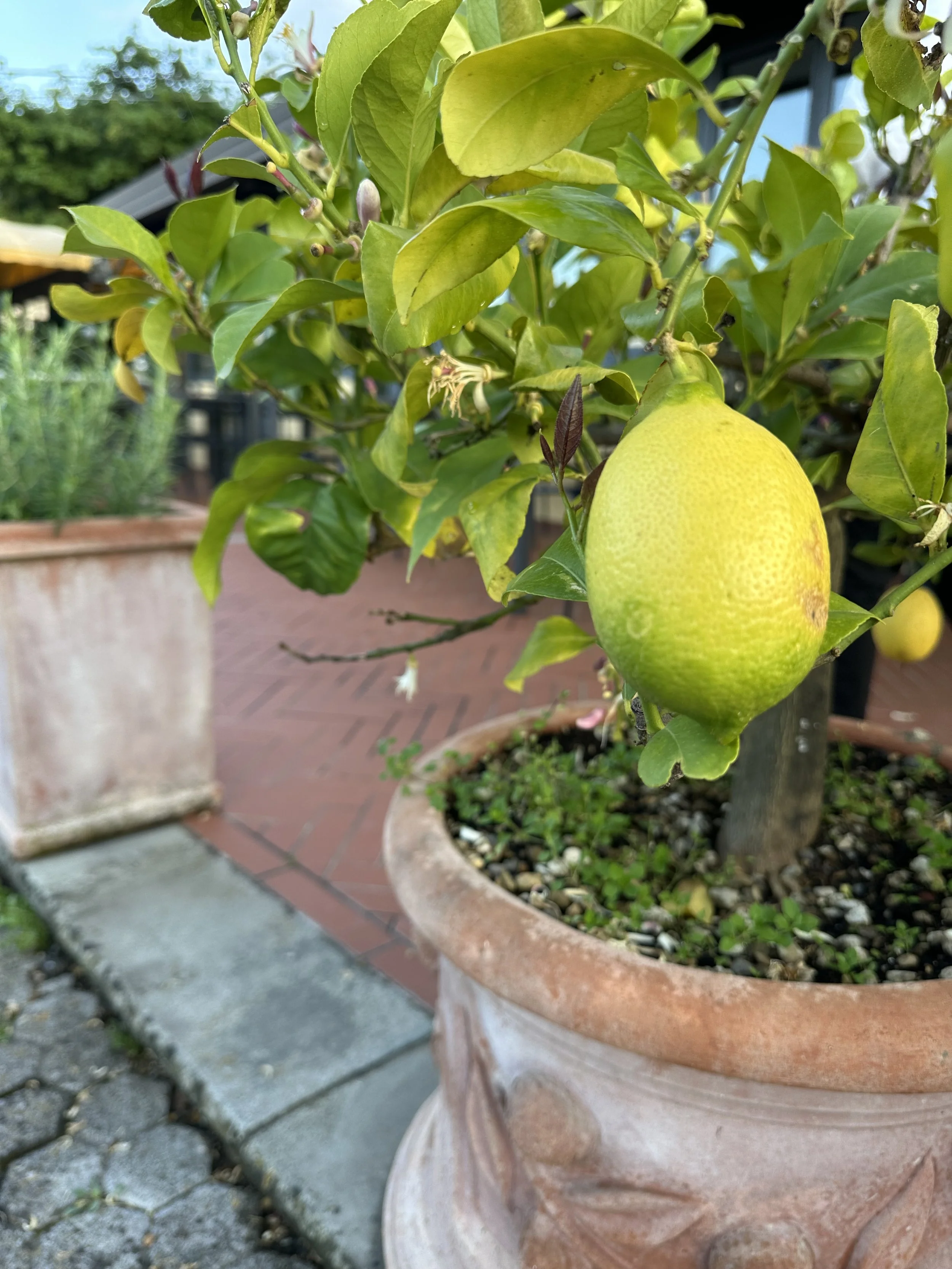
The photographs we take again and again - doors, windows, shadows, flowers…you know what I mean. On a trip to Italy last spring, for some reason I photographed a lot of lemons.
The books we pull from the shelf.
The ideas we can't seem to leave alone.
The thing we mention for the fourth time to someone we love, who might finally say, You know you keep talking about this, right?
I wonder if those repetitions are trying to tell us something.
We spend so much time believing direction should arrive with trumpets.
We should know what we want.
We should make a plan.
We should choose the next thing and set the goal and map the route and, preferably, put it all into some sort of color-coded system.
But perhaps direction is quieter than that.
Perhaps it leaves breadcrumbs.
I've been noticing my own breadcrumbs lately.
Certain words keep appearing on my desk and in my notebooks and in the things I make:
noticing.
collecting.
ordinary life.
field notes.
things worth keeping.
making something from what we find.
I didn't sit down one morning and decide these were going to be my subjects.
They accumulated.
Which, now that I think about it, is exactly how a collection begins.
One thing catches your attention.
Then another.
Then another.
You place them beside each other and suddenly there is a relationship you couldn't see when they were scattered.
Maybe our lives work that way, too.
Maybe the clues are already there.
Maybe you keep photographing flowers.
Maybe you've saved seventeen recipes for soup.
Maybe you always stop in front of the same kinds of paintings.
Maybe you've been thinking about learning Italian for years.
Maybe there is a piano in your house that you haven't touched in a decade, but every so often you imagine sitting down at it again.
Maybe you pick up smooth stones on your walks.
Maybe you've bookmarked a class three separate times.
Maybe a particular question keeps finding its way into your journal.
None of these things has to become a business or a project or even a goal.
That's important.
We are very good at turning the things we love into assignments.
Sometimes the invitation is simply to notice:
There you are again.
And then, perhaps, to stay curious.
Why this?
Why now?
What happens if I follow it a little farther?
There is something wonderfully gentle about letting attention lead instead of demanding an answer from ourselves.
We don't have to know where the breadcrumb trail ends.
We only have to notice the next one.
Maybe a life does not always need to be figured out.
Maybe sometimes it needs to be collected.
Piece by piece.
Clue by clue.
Ordinary thing by ordinary thing.
Until one day we look down at everything we've gathered and realize:
Oh.
There I am.
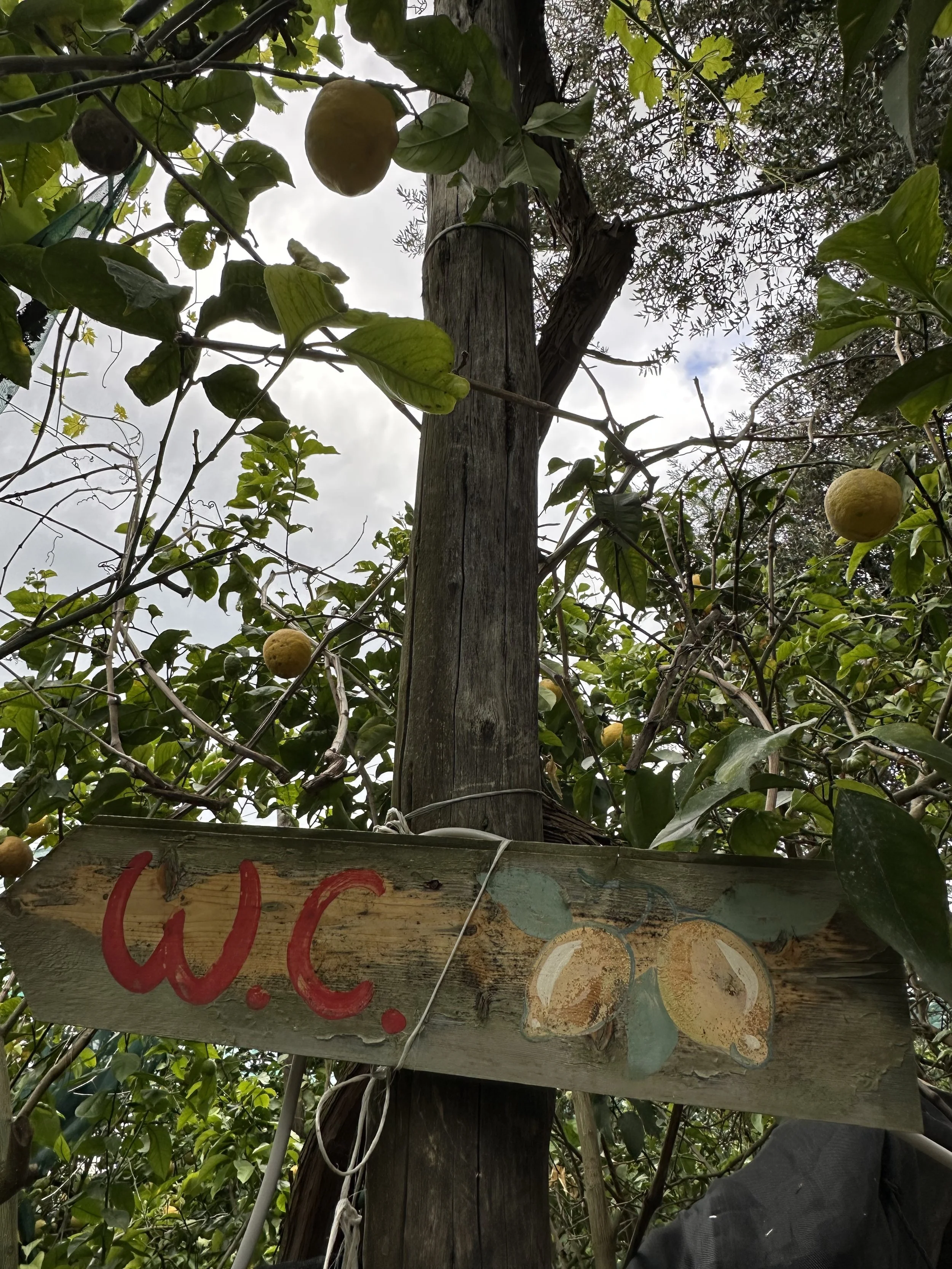
So this week, pay attention to what keeps returning.
Not what you think you should be interested in.
Not what would be impressive or productive or useful.
What catches your eye again?
What subject keeps slipping into your conversations?
What do you keep picking up?
What do you keep wanting to make?
What have you bookmarked seventeen times?
You don't have to do anything with the answer.
Just notice it.
And perhaps, for now, that's enough.